Composite vs. Wood Decking: Which is Right for You?
Choosing between composite and wood decking? Learn the pros and cons of each, including cost, upkeep, durability, and design options to find your best fit.
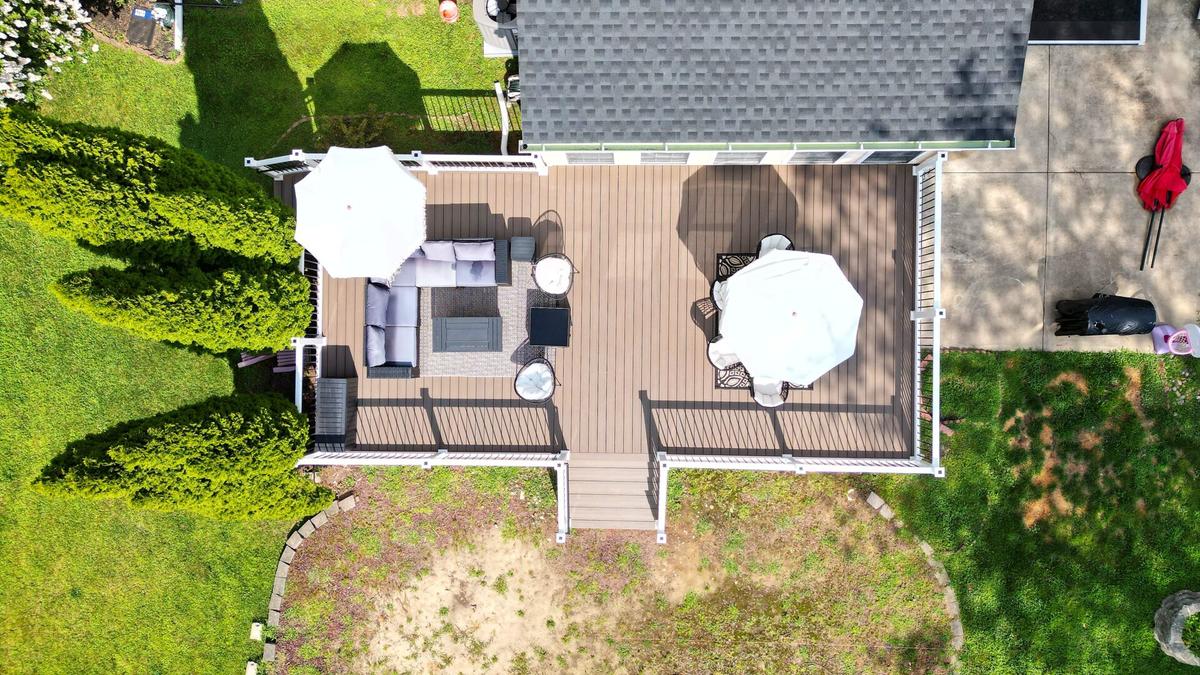
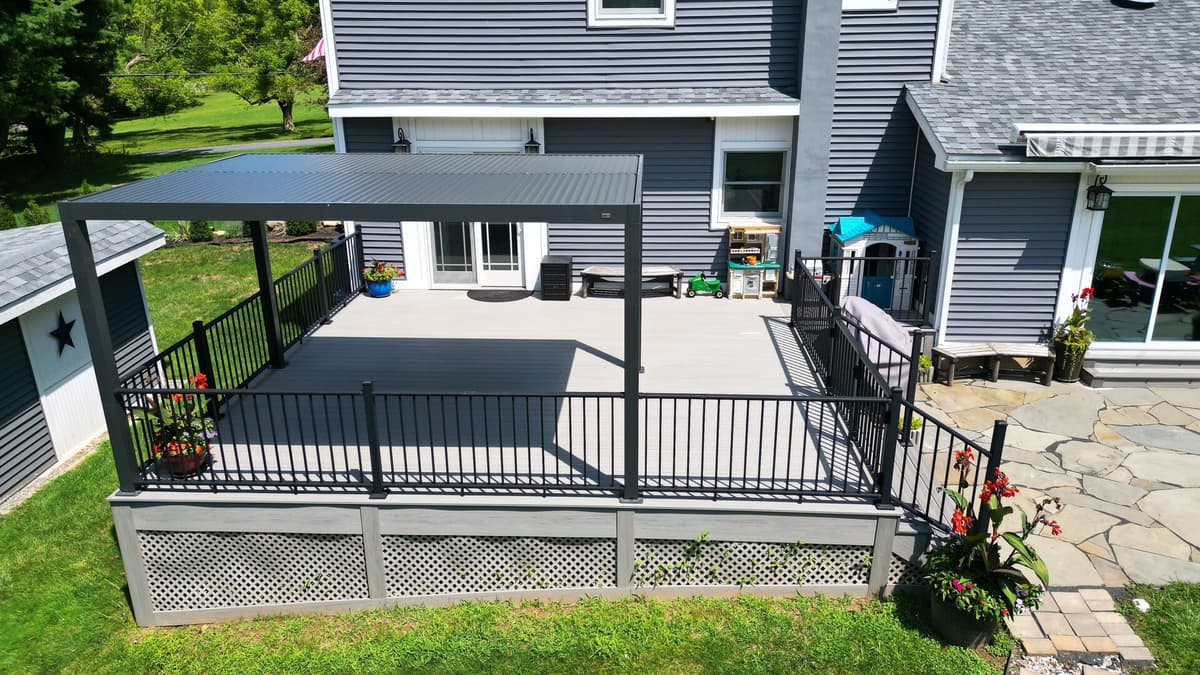
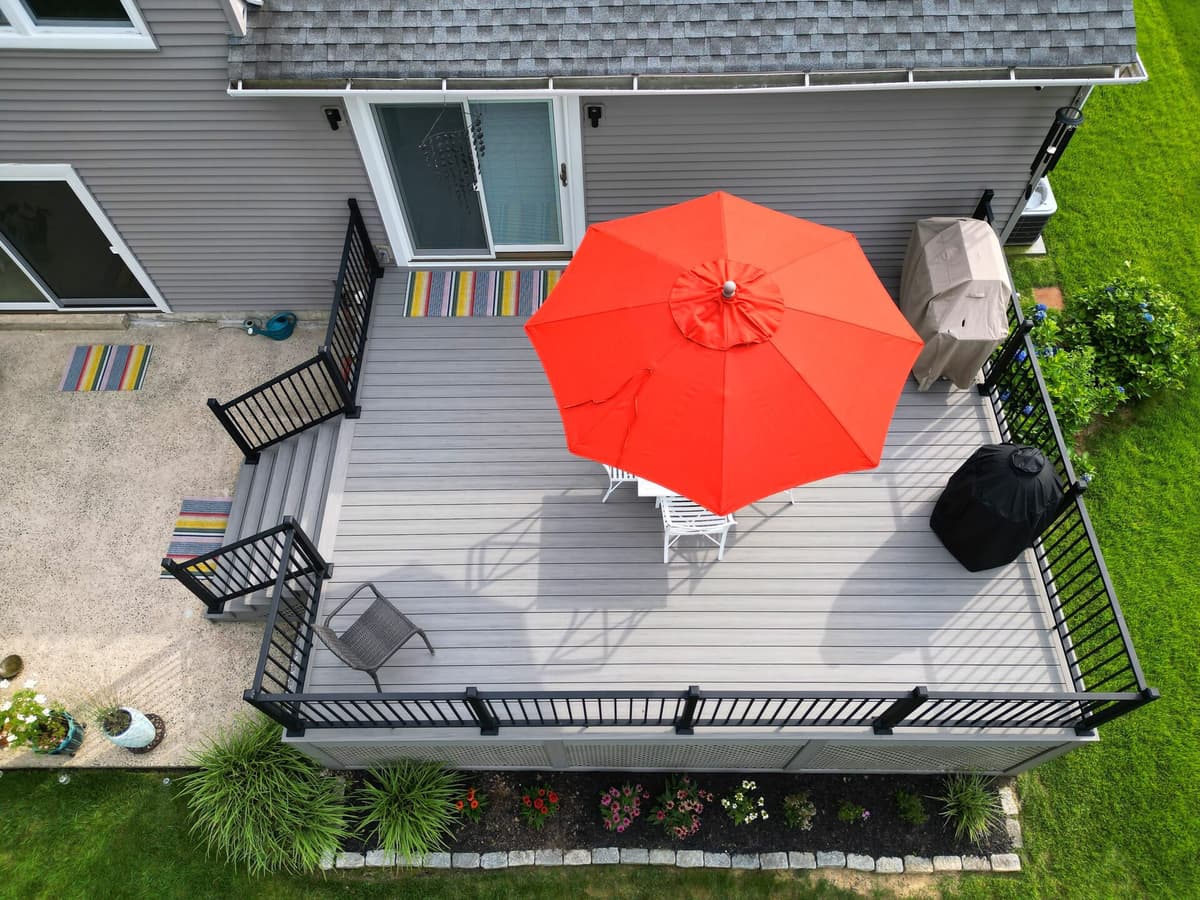
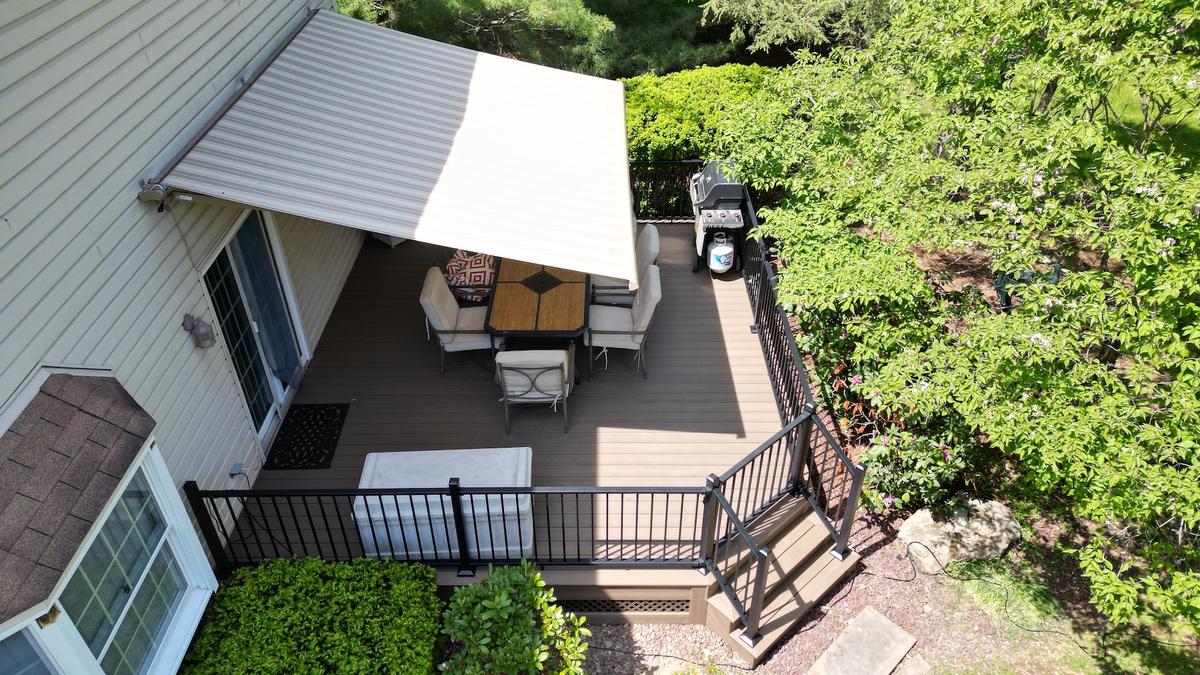
One Choice, Two Very Different Paths
If you’re planning to build or replace a deck, one of the first—and most important—decisions you'll make is choosing the material. Wood and composite are the two most common options, and while they may look similar from a distance, they offer very different experiences in terms of installation, cost, appearance, and upkeep.
This guide breaks down the key differences between wood and composite decking so you can make the right decision for your lifestyle, climate, and long-term investment.
Appearance: Natural Charm vs. Modern Consistency
Wood decking offers natural beauty that’s hard to replicate. The grain patterns, knots, and tonal shifts of cedar, redwood, or pressure-treated pine give wood a warmth and authenticity many clients love. You can stain it any color—or leave it to weather naturally for a rustic look.
Composite decking, on the other hand, is manufactured to mimic the appearance of wood while offering more color consistency and fewer imperfections. Modern composites even come with textured grain patterns and color blends that rival real wood. If you're going for a modern, polished aesthetic, composite often delivers that clean, uniform look.
Maintenance: Ongoing Care vs. Set-and-Forget
This is where composite truly stands out. Wood decks require regular maintenance, including staining or sealing every one to two years, plus routine checks for splinters, warping, or mildew. In sunny or wet climates, upkeep can be even more demanding.
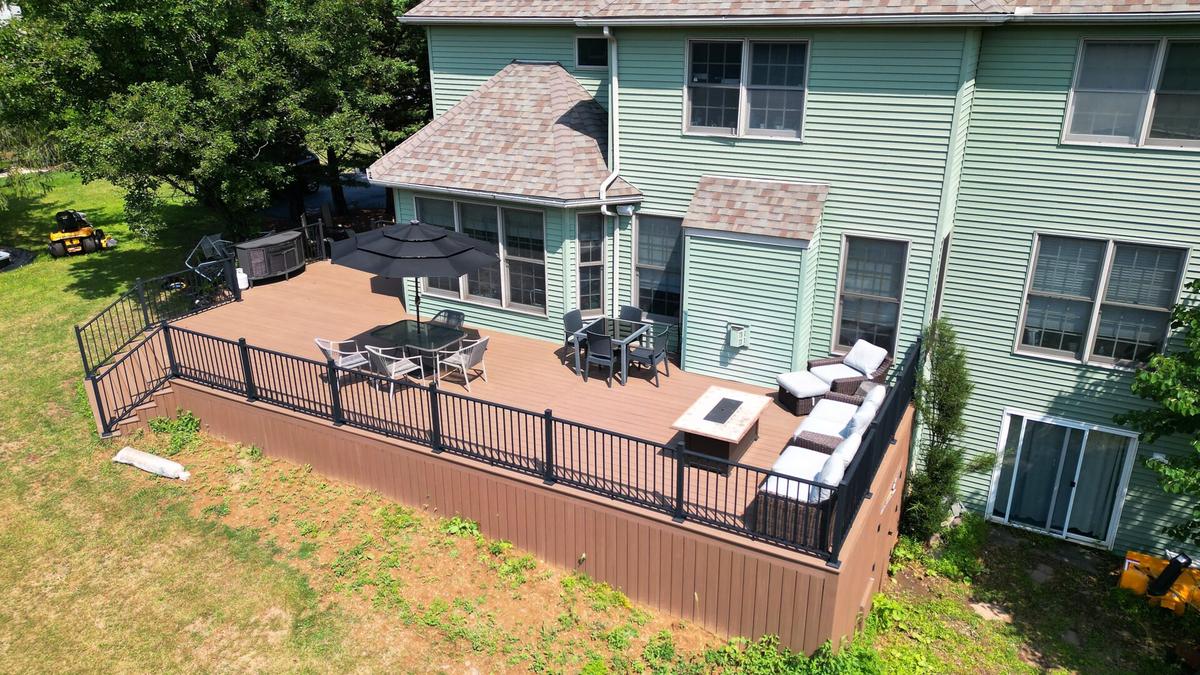
Composite decking is designed to be low maintenance. It doesn’t splinter, warp, or attract insects, and it never needs staining or sealing. A simple cleaning with soap and water a few times a year keeps it looking sharp. For families who want to spend more time enjoying their deck and less time maintaining it, composite is often the clear winner.
Durability: Performance Through the Years
While wood can last for decades with proper maintenance, it’s prone to wear and tear from the elements. Over time, boards may crack, fade, or become unstable. That said, higher-end woods like redwood and ipe are more resistant to damage but come at a premium cost.
Composite decking is engineered for resilience. It resists moisture, mold, rot, and UV damage, making it ideal for humid or coastal climates. Most high-quality composites come with warranties ranging from 25 to 50 years, giving you peace of mind for the long haul.
Cost: Upfront Investment vs. Lifetime Value
Wood decking is typically cheaper upfront. Pressure-treated pine is especially cost-effective, while cedar and hardwoods sit higher on the price scale. Composite decking has a higher initial cost per square foot but pays off over time with lower maintenance expenses.
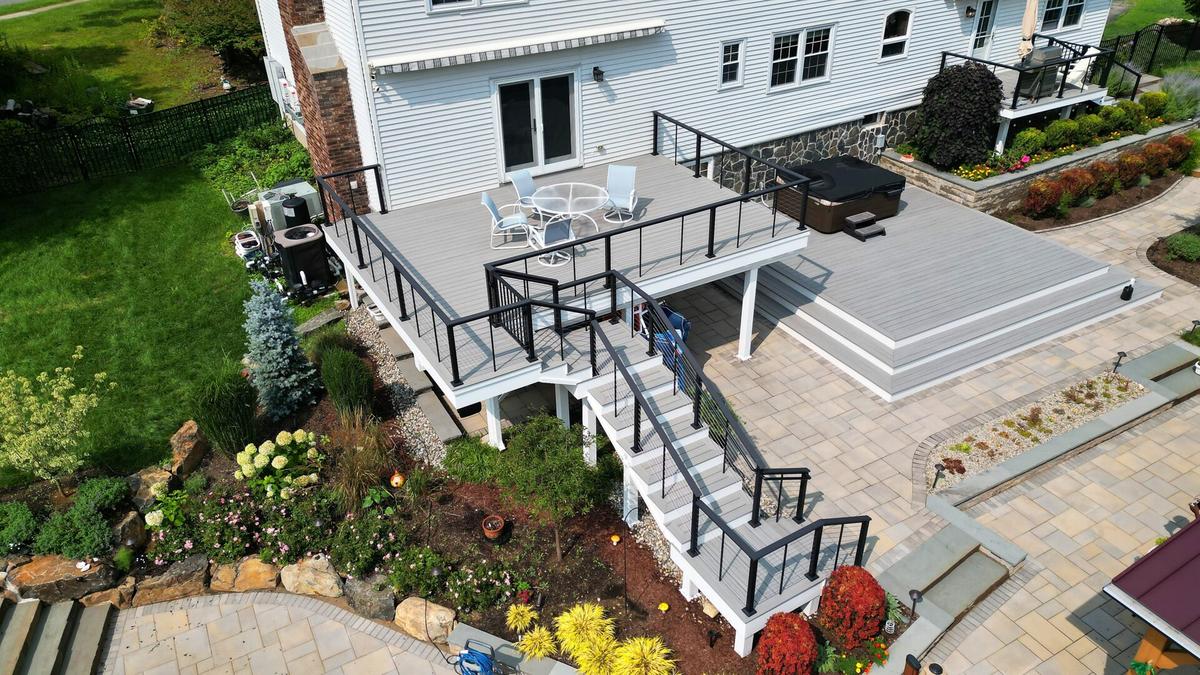
If you're planning to stay in your home long-term, composite often delivers better value across the years. But if you’re remodeling for resale or working within a tight budget, wood might make more sense for the moment.
Environmental Considerations: Natural vs. Recycled
Wood is a renewable resource, and many families appreciate that natural materials feel more eco-friendly. However, not all wood is harvested sustainably, so it’s important to look for FSC-certified lumber if you’re concerned about forest impact.
Composite decking is typically made from recycled plastics and wood fibers, which helps reduce landfill waste. Some brands even use up to 95% recycled content. If sustainability matters to you, ask about material sourcing and manufacturing practices.
Comfort and Safety: Surface Feel and Heat Retention
Wood decking tends to feel cooler underfoot in direct sunlight, though it can develop splinters and cracks over time. Composite decking is smooth and splinter-free, which makes it a good option for kids and pets, but it may retain more heat during summer.
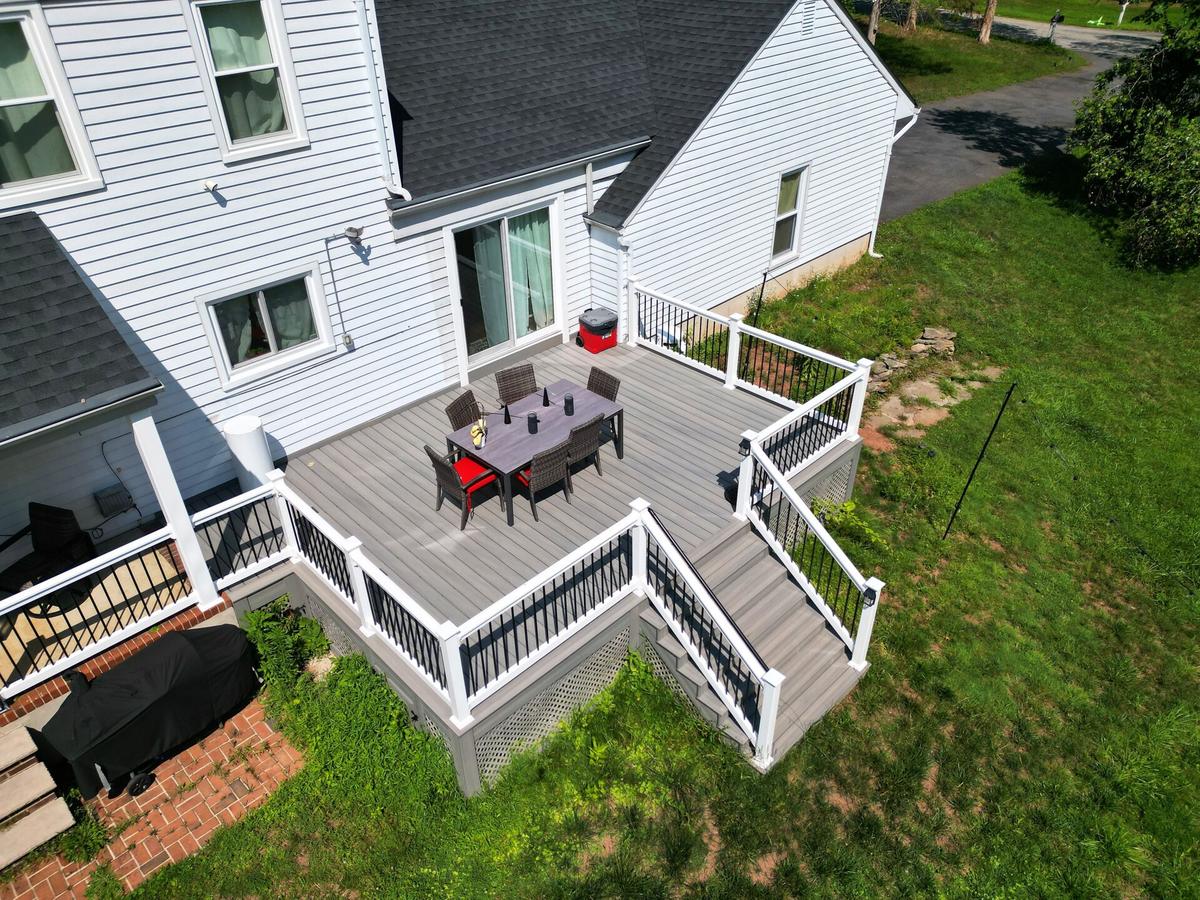
Some newer composites are designed with cooling technology or lighter color palettes to offset heat absorption. Be sure to test samples in the sun before making your final decision.
Style Flexibility: Customization Options
Wood is easier to customize on-site. It can be cut into curves, painted, or stained to match changing tastes. Composite requires more planning upfront—once installed, color and texture are set—but it comes in a broader range of finishes and shapes today than ever before.
If you want a custom shape, color contrast, or picture-frame border, both materials can deliver, though wood offers a little more DIY flexibility.
Choose What Works for You
There’s no one-size-fits-all answer in the wood vs. composite decking debate. It comes down to how you live, what you value, and how much time you’re willing to invest in upkeep. For those who love the look and feel of natural materials and don’t mind seasonal maintenance, wood is a beautiful, cost-effective choice. For those who prioritize ease, durability, and consistency, composite offers a low-stress, high-reward alternative.
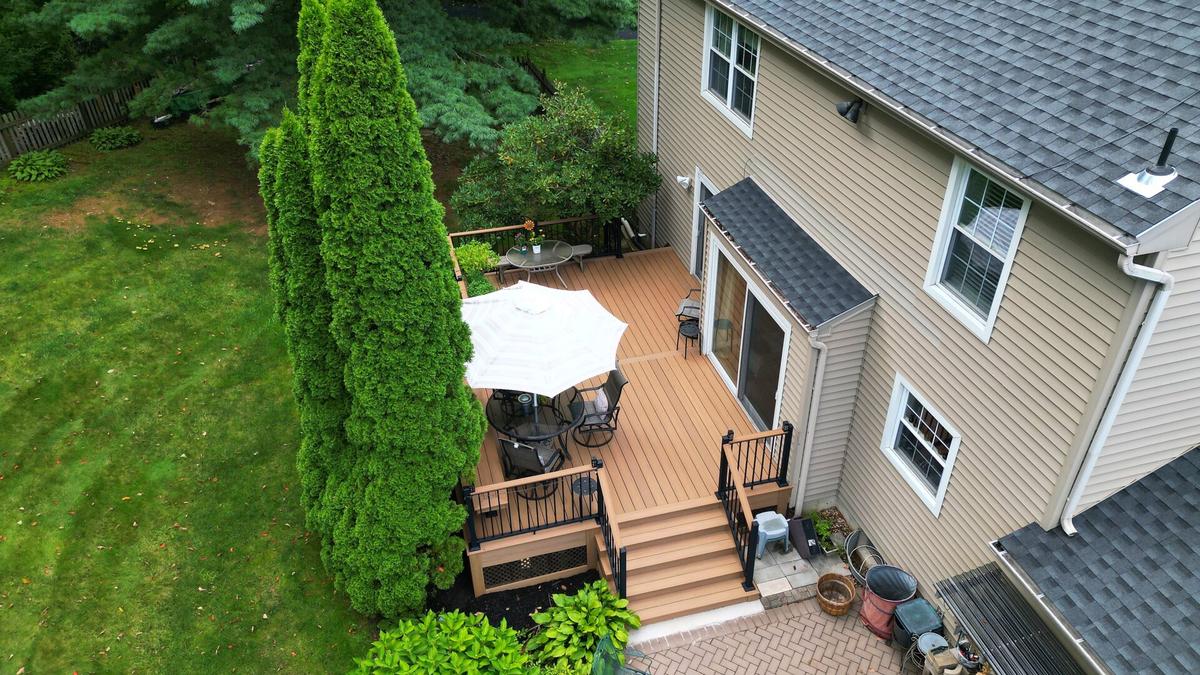
At Upgryd, we help our clients choose materials that suit their climate, lifestyle, and long-term goals. Whether you lean natural or modern, rustic or refined, the right deck starts with asking the right questions—and planning with purpose.