Questions to Ask a Deck Builder Before You Sign
Twelve questions that separate a deck proposal you can compare from one you cannot, with the answers Upgryd gives to each: licensing, subcontractors, permits, framing, railing posts, warranty and the final walkthrough.
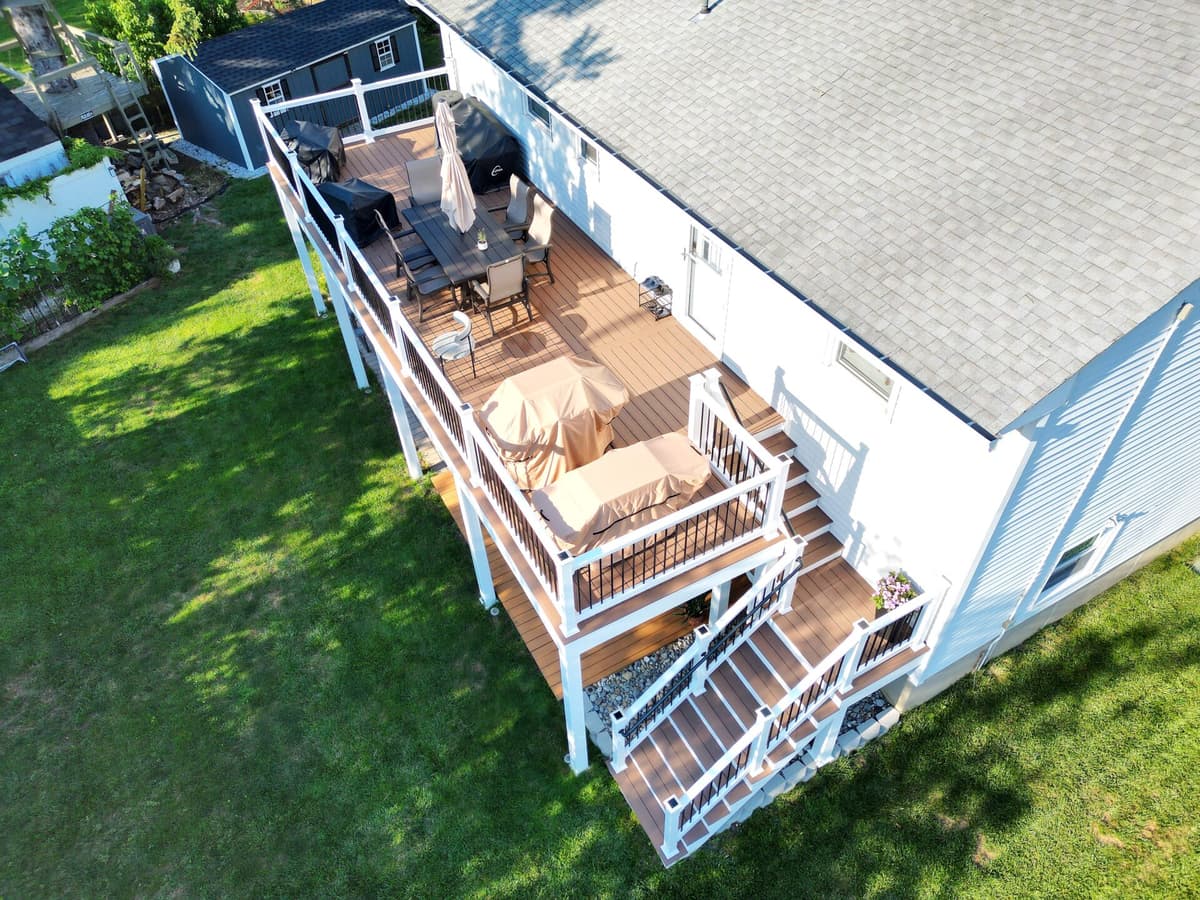
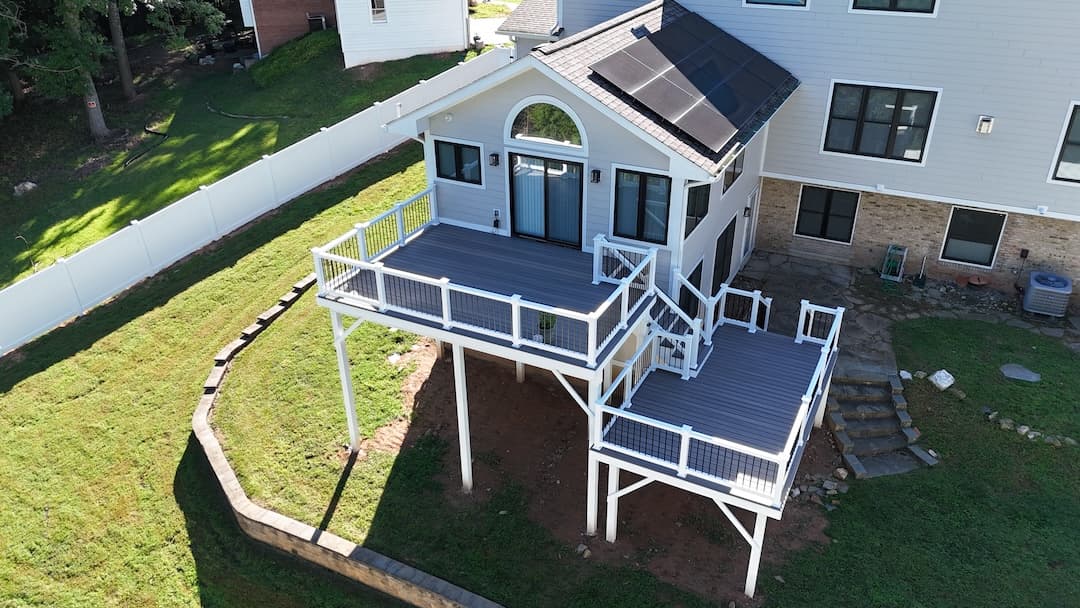

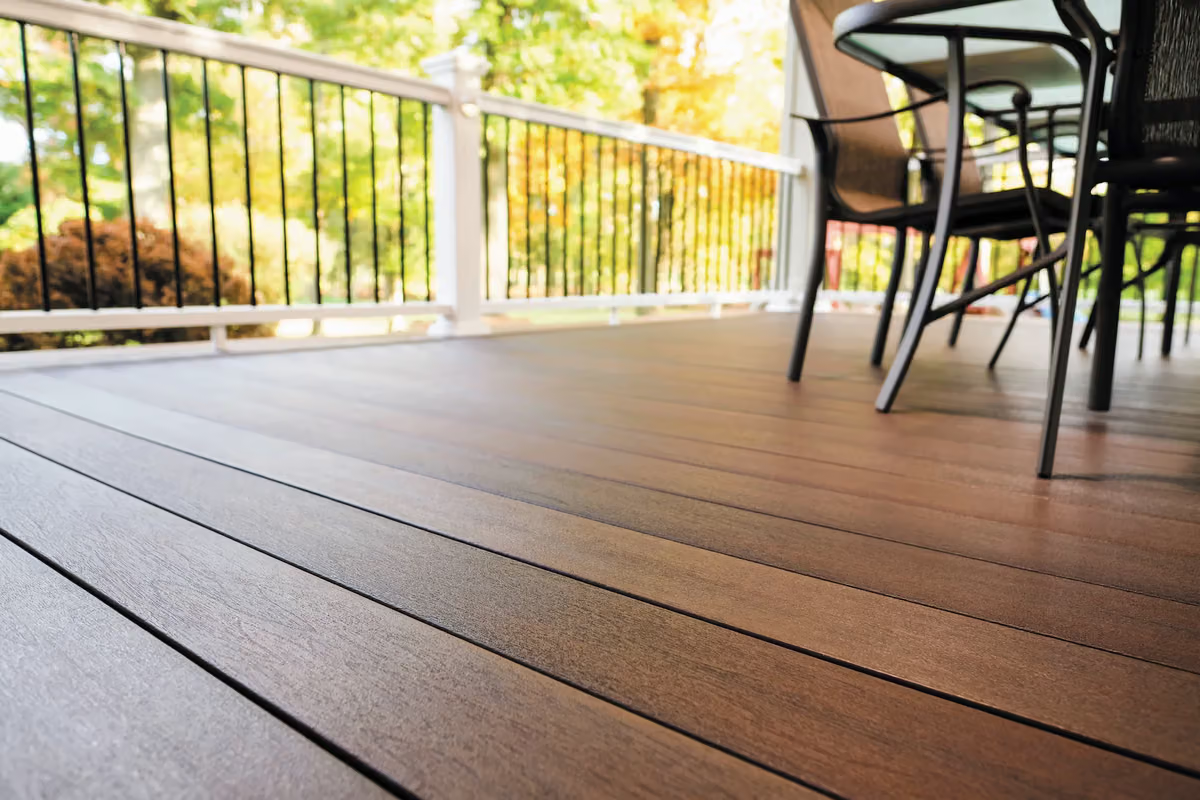
A deck proposal is a long document written by the party that wants the job. These twelve questions turn it into something you can compare line by line. Ask every builder on your list the same ones, in writing, and keep the answers next to each proposal. We answer each question the way Upgryd answers it, so you can hold us to it.
Who is the builder, and who does the work?
1. Are you licensed and insured in my state? Ask for the certificate, not a verbal yes. Upgryd is licensed and insured in New Jersey and Pennsylvania.
2. Who is on my property: your employees or subcontractors? Both are common. What matters is that whoever is on site carries their own insurance and workers' compensation. Upgryd runs as a construction management company: independent, licensed, insured subcontractors do the installation, and Upgryd handles design, materials, scheduling, permits, project management and warranty.
3. Who do I call during the project? The answer should be a named project manager, not a general office line.
What exactly gets built?
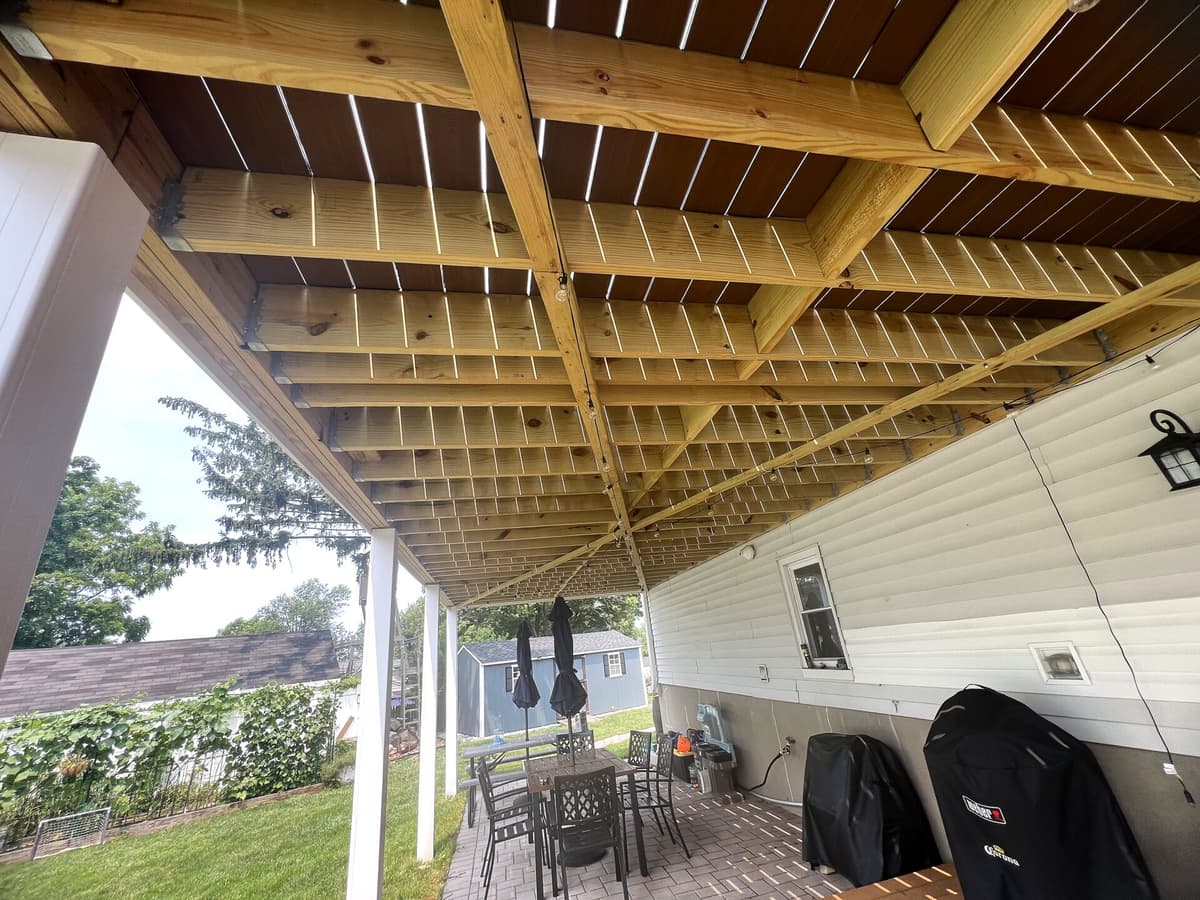
Ask to see the frame before the boards go on. The photo above is the underside of a Highland Park, NJ deck we built in winter on helical piers, where the foundation call was made on day one. The questions below are about the parts of a deck that this photo shows and the finished surface hides.
4. What is the frame made of, and what grade? The frame carries every board on top of it. Upgryd frames with #1 grade pressure-treated lumber, which has fewer and smaller knots than the standard #2 grade, so it runs straighter and holds up longer where moisture sits.
5. How is the ledger attached and flashed? The ledger is where the deck meets the house, and it is where water gets in. We seal it with butyl flashing tape between the house sheathing and the ledger board.
6. What protects the top of the joists? Standing water on joist tops is how frames fail first. We apply butyl joist tape under the picture frame and stair picture frame, and on every joist beneath the deck boards.
7. How are the footings set? Footing type decides whether the deck settles or heaves over the years. Where the site allows, Upgryd uses helical pier footings, which install faster and carry a lifetime warranty.
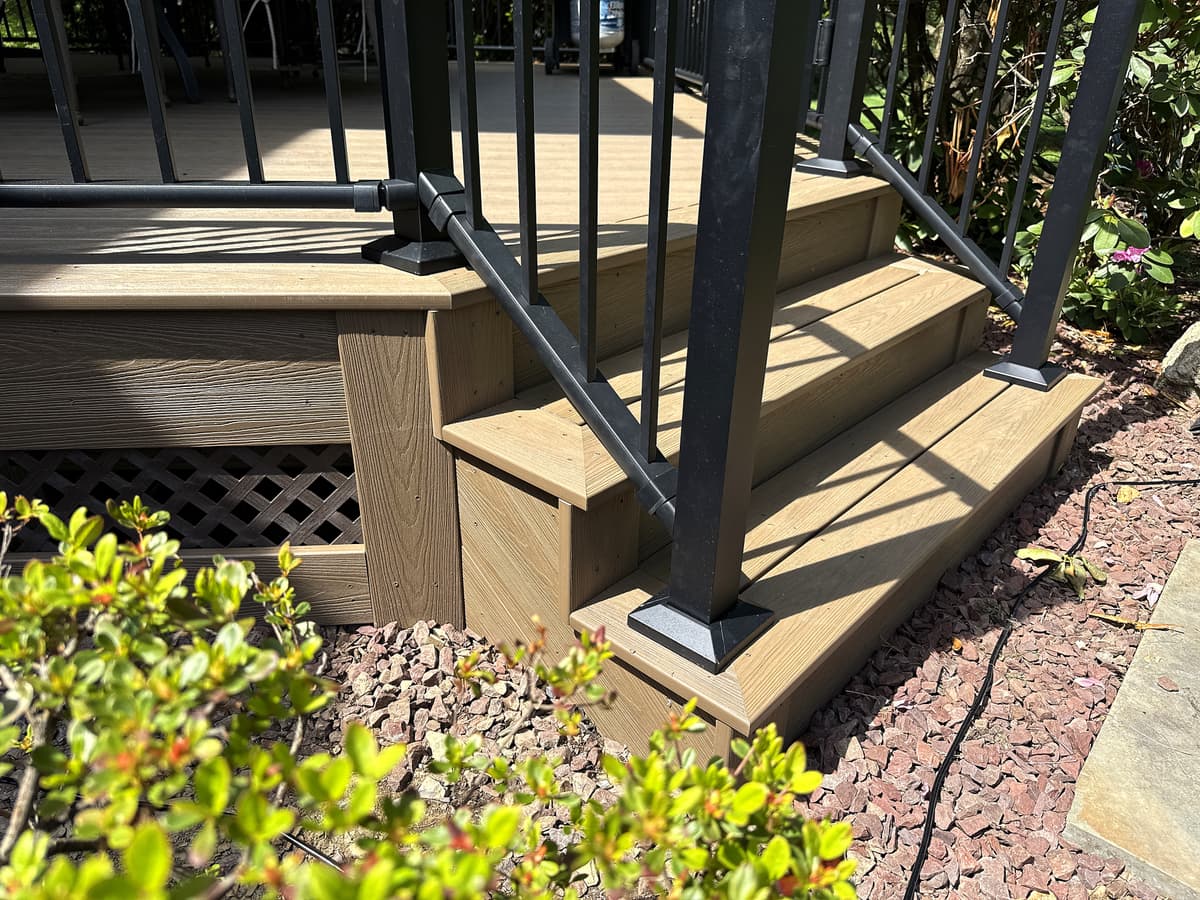
8. How are the railing posts attached? Posts that bolt to the surface of the deck frame with aluminum or galvanized steel hardware stay straight. Pressure-treated 4x4 posts can warp. We use surface-mounted aluminum or galvanized steel structural posts.
How does the project run?
9. Who handles the permit, the drawings and the HOA? A written yes should name the steps. Upgryd handles HOA paperwork, architectural blueprints from a licensed architect, township permit submission and inspections. Plan on one to two weeks for drawings and four to eight weeks for the township permit before work starts.
10. How long will the build take once it starts? New builds typically take one to three weeks. A resurface runs about four weeks from contract to completion.
What do I have in writing afterward?
Also ask: is the proposal itemized? An itemized proposal lets you compare builders on materials, framing and warranty instead of on a single total. Upgryd proposals are interactive: line-item scope, live product pricing and visualizations, and financing options in one document. If you plan to finance, ask whether pre-qualification is a soft credit check. Ours is, with partners HFS Financial and Hearth, and 0% interest for up to 21 months is available with Hearth depending on qualification.
11. What does the warranty cover, for how long, and does the term change with the material? Get the labor warranty and the manufacturer warranty separately. Upgryd's headline is a 25-year limited labor warranty, and the exact term for the decking line you choose is written into your proposal before you sign.
12. When is the final payment due? It should follow a walkthrough, not precede it. Upgryd completes the final walkthrough before final payment.
How to read the answers
A good answer is specific: a material, a grade, a number of weeks, a named person. A vague answer to any of the twelve is information. If two proposals differ in price, these questions usually show where: the frame, the flashing, the footings and the warranty are the parts you cannot see once the boards go down.
If you want Upgryd's answers applied to your own deck, book a free in-home consultation. You can also read how the process runs on our new deck construction and deck resurfacing pages, and the details of the warranty.